5 Signs Your Septic Tank Needs Pumping
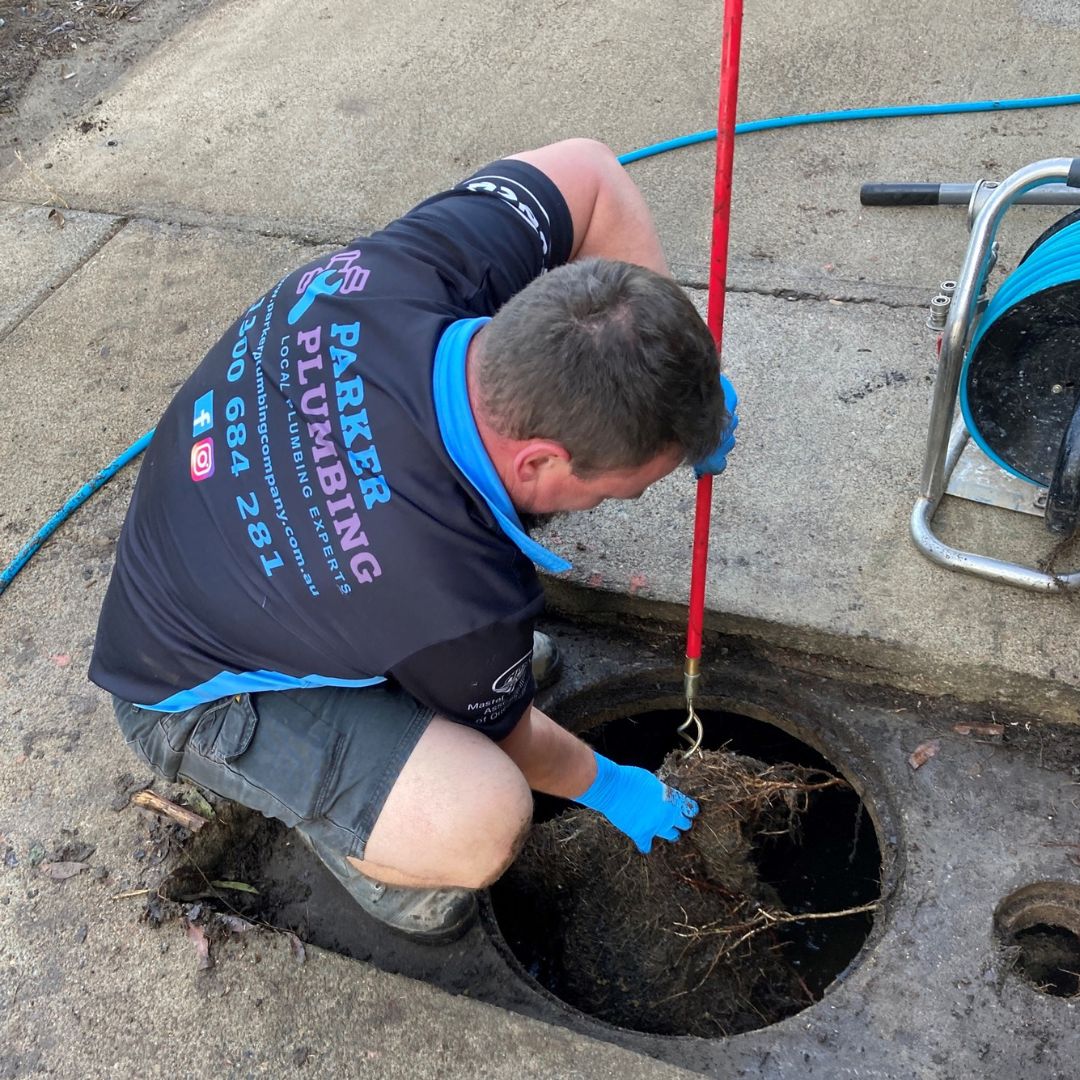
Most homeowners don’t think about their septic tank until they end up with a backed-up toilet or a smell that definitely shouldn’t be there. The good news is your system usually gives you plenty of warning before things get serious.
Regular maintenance every 3–5 years keeps repairs affordable and protects your groundwater. Here’s what to watch for, when to act fast, and how to keep your system running smoothly year-round.
Common Warning Signs Your Septic Tank Is Full
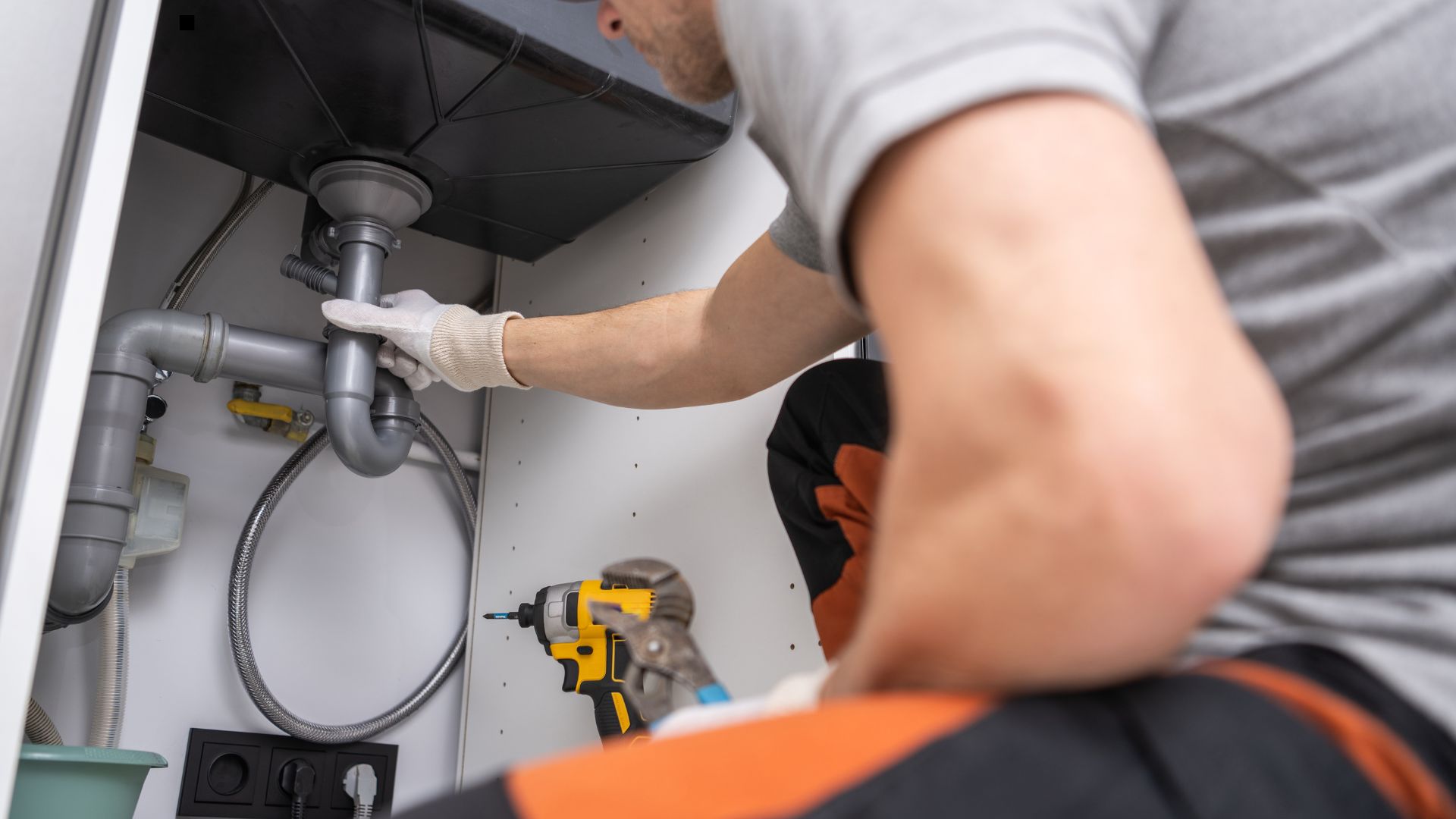
Slow-Draining Sinks and Toilets
A single slow drain might come down to a simple clog, but when water is moving sluggishly in drains throughout your house, your septic system deserves a closer look. When the tank runs out of room for incoming wastewater, everything slows down: sinks, showers and toilets included. You’ll notice it most during high-usage periods, like laundry days or when everyone’s having their morning showers.
Gurgling Sounds From Your Pipes
Air pockets inside your pipes can prevent wastewater from flowing smoothly, causing that distinctive gurgling noise after you flush or run a tap. A gurgling drain can also mean a simple blockage, but if the sound persists after plunging, or if multiple drains are gurgling at once, the issue likely goes deeper than a single pipe.
Unpleasant Odours Around Your Home
A healthy septic system shouldn’t smell at all. Strong sewage smells, particularly that rotten egg or sulphur odour, are a sign something’s wrong. As the tank fills with solids, there’s less room for liquids, causing gases to build up and back up through the system. You might notice foul smells coming from drains, near the tank itself, or around the leach field. If the odours don’t go away or you’ve noticed any other signs, it’s time to call a professional.
Greener Grass Above the Tank
A patch of lawn that’s noticeably lusher or grows faster than the surrounding area can point to excess nutrients and moisture from untreated wastewater beneath the surface. If everything works like it’s supposed to, the grass above your septic system should match the rest of your yard. If it’s thriving more than anywhere else, it may be a sign your tank hasn’t been pumped in a while.
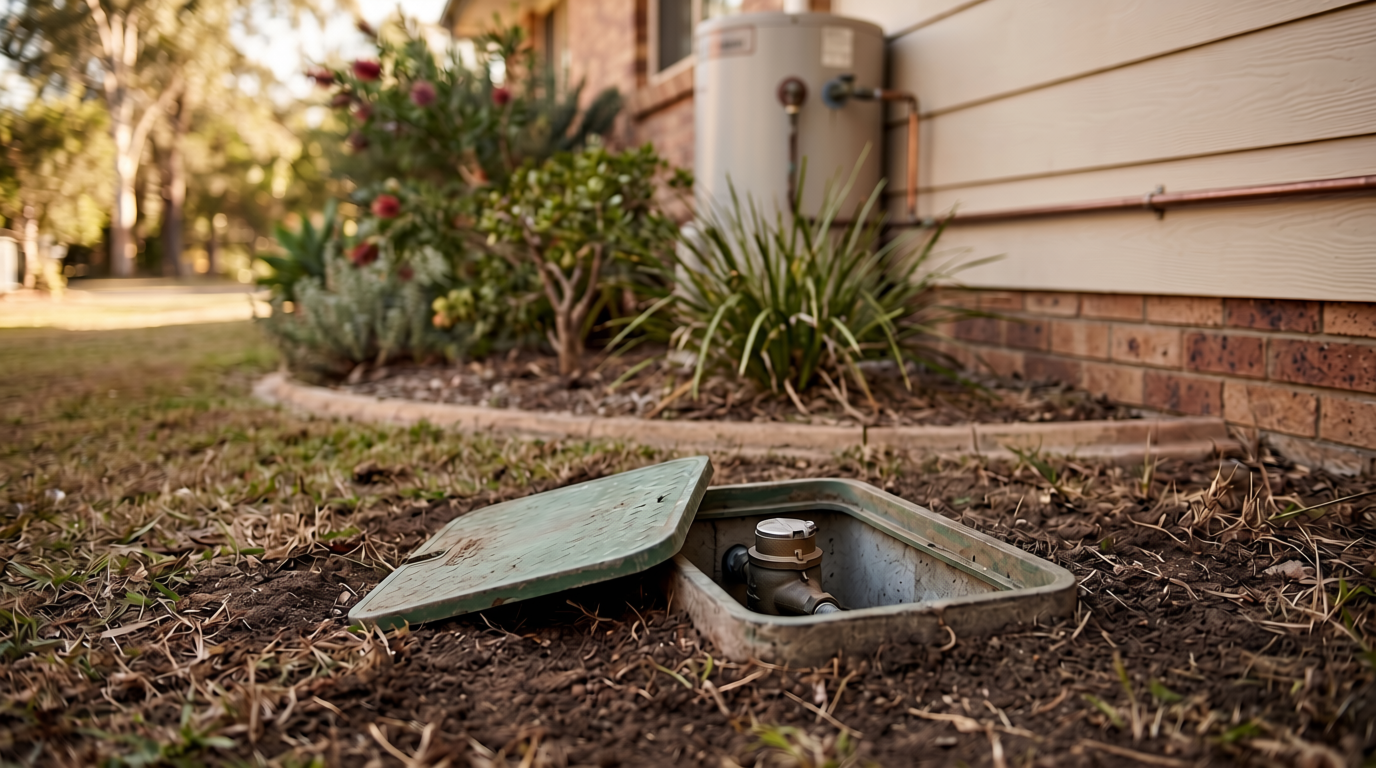
Standing Water Near the Drain Field
Pooling water or persistently soggy soil near your drain field or tank is one of the clearest signs of a problem. This standing water suggests the system is overloaded and wastewater is surfacing because it has nowhere else to go. Wet patches that remain long after rain has cleared are equally concerning.
Serious Signs That Need Immediate Attention
Sewage Backing Up Into Your Home
Sewage backup is the most serious sign of septic system failure. When your system becomes clogged or reaches capacity, wastewater has to go somewhere, and it often flows back through your drains. Foul-smelling water spilling out of your showers, sinks, or toilets means contaminated water is entering your home.
Aside from smelling awful, this water also contains harmful bacteria and viruses that can pose real health risks. If you see any sign of sewage backup, reach out to us as soon as possible.
Multiple Fixtures Affected at Once
When several sinks, showers or toilets are struggling at the same time, it’s a strong sign the tank itself is blocked or full. Heavy rainfall or periods of heavy water use can push an already-stressed system over the edge, and multiple failing fixtures together mean your septic system can’t keep up with the load.
Water Pooling Inside Your Property
Standing water appearing near or above the tank lid, or sewage backing up into lower areas of your home, means your system is overflowing. Failed or saturated drain fields can also cause sewage to contaminate groundwater without any visible surface signs. If you suspect this is happening, you need to call in the professionals.
How to Prevent Your Septic Tank From Filling Too Quickly
Spread Out Your Water Usage
Running the dishwasher, washing machine, and multiple showers at once can overwhelm your system. Spreading high-water activities throughout the week gives the tank adequate time to separate solids from liquids and process wastewater properly.
Avoid Flushing the Wrong Things
Only human waste and toilet paper belong in a septic system. Wet wipes (even “flushable” ones), sanitary products, paper towels, dental floss, nappies and cotton buds all cause blockages and build up inside the tank.
Fix Leaking Taps and Toilets
A dripping tap can add up to over 20 litres every day. Most septic systems are designed to handle a set daily volume, so even minor leaks can overload your system over time.
Protect Your Drain Field
Don’t park vehicles or place heavy objects above your drain field. Keep trees well away from the area, as roots can infiltrate pipes. Direct stormwater and roof runoff away from the drain field so it isn’t saturated with additional water.
Seen the Signs? Call in the Experts
Your septic system gives you clear warning signs well before a complete failure occurs.
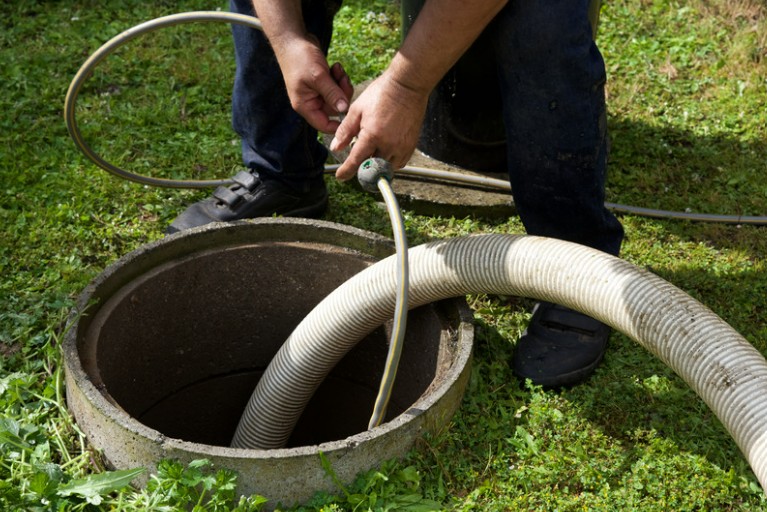
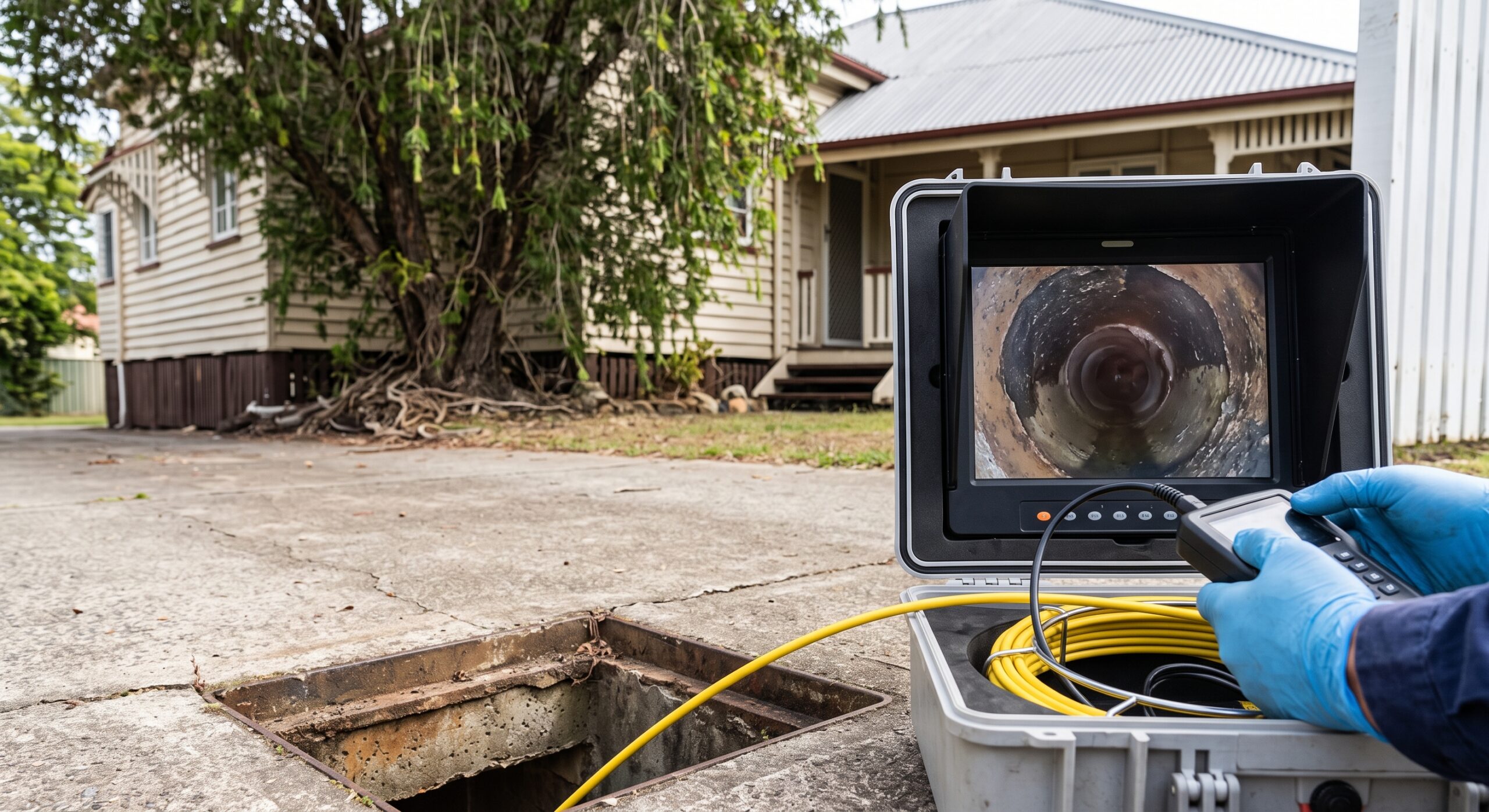
If you’ve noticed any of these symptoms, or you just haven’t had your tank serviced in a while, contact the Parker Plumbing team for reliable septic tank services in Ipswich and Brisbane.
FAQs
How often should a septic tank be pumped?
Every 3–5 years for most households. Families of four or more typically need pumping every three years, while smaller households may go up to five.
What are the first signs a septic tank needs emptying?
The earliest signs are usually slow-draining fixtures across the house, gurgling sounds from pipes after flushing, and faint sewage odours near drains or the drain field.
How long does a septic pump-out take?
Usually between 20 minutes and a little over an hour, depending on the size of your tank and how full it is.
Can I use water while the tank is being pumped?
It’s best to avoid running taps or flushing toilets during the pump-out service. Your technician will let you know when it’s safe to resume normal use.

Dan Parker is the Director of Parker Plumbing and has over 16+ years of experience in the plumbing industry. His commitment to providing exceptional customer service means that he has seen it all – anything to do with residential or commercial plumbing, he knows what to do. Passionate about helping people in his community, Dan strives to offer honest and reliable plumbing services in the Brisbane and Ipswich areas.