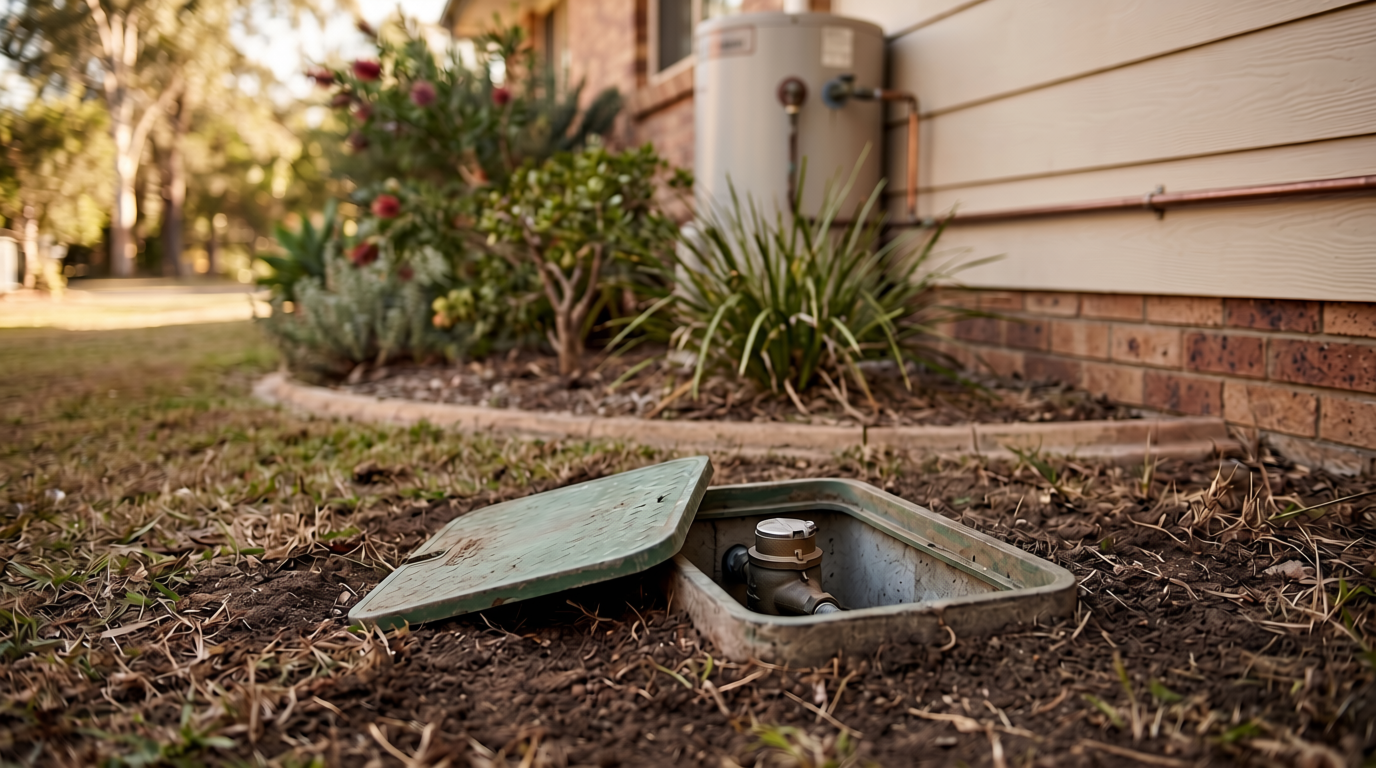
What Happens When You Ignore a Blocked Drain? (And How Bad Can It Get?)
A slow-draining sink or a toilet that gurgles when the machine empties doesn’t feel like an emergency on its own. They’re easy to live with, especially when life is busy, and a plumber feels like an unnecessary expense for just a slow drain.
The problem is that a blocked drain is rarely just a blocked drain. It’s usually the early warning sign of a bigger problem building up out of sight, and the longer it’s left, the more it tends to cost, both in damage to your home and in the size of the repair bill.
If you’ve been putting off calling someone about a drain that’s not quite right, here’s what can actually happen if it’s left too long, and why it’s worth getting on top of early.
A Minor Blockage Rarely Stays Minor
Water always needs somewhere to go. When something partially blocks its path, whether it’s grease, tree roots, hair, foreign objects, or a build-up of debris, that water still needs to go somewhere. It’ll just finds a less convenient route.
A partial blockage means water is moving through a narrowed space, which means it’s moving slower and under more pressure. Over time, that gap collects even more debris, narrows further, and gets worse. What started as a slow drain can become a complete blockage, and a complete blockage means water has nowhere to go but back the way it came, or out somewhere it shouldn’t.
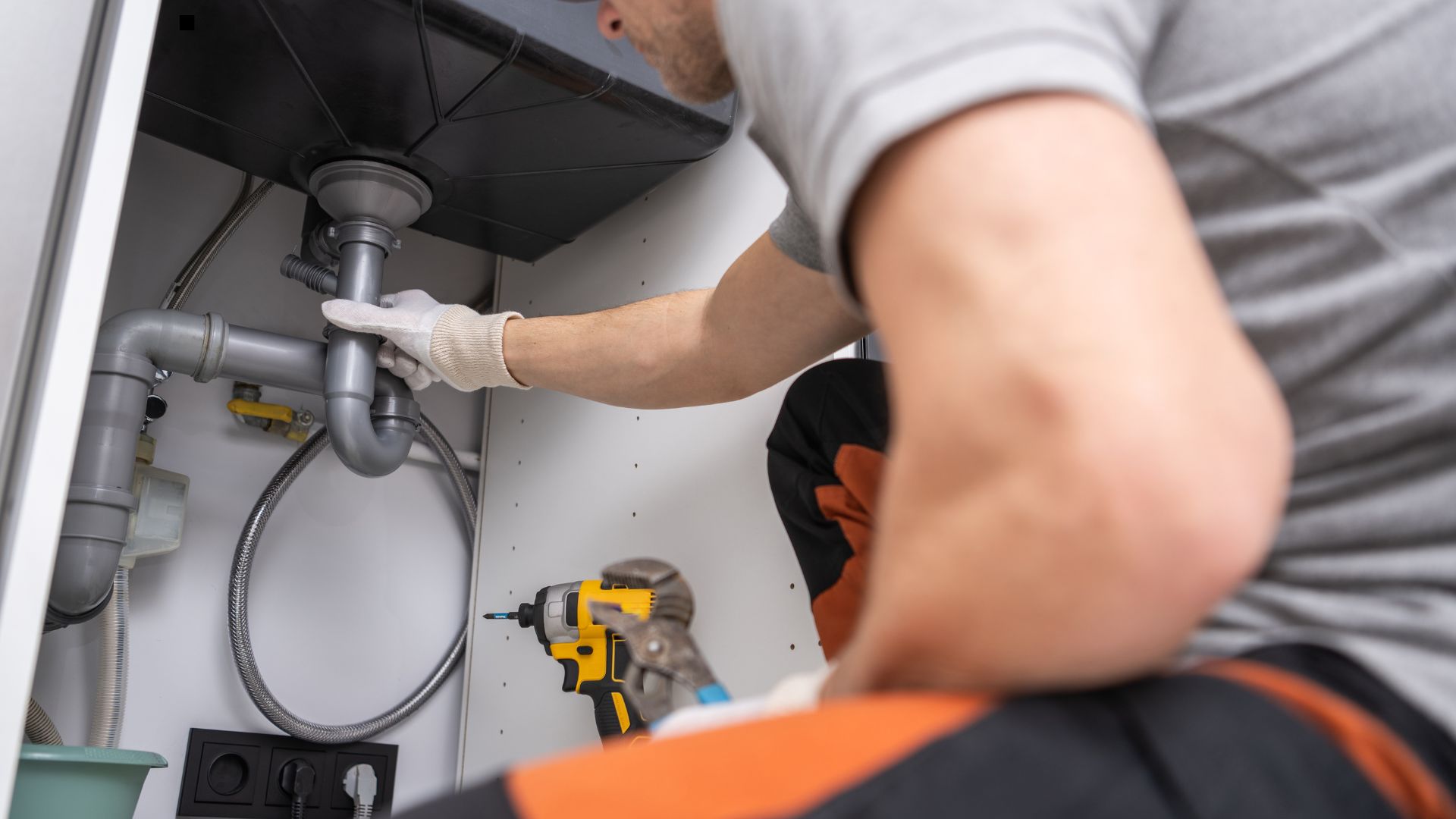
The Escalation: From Slow Drain to Serious Damage
Stage 1: Slow Drainage and Odours
Most blocked drains start with slow-draining water that takes longer to clear from sinks, showers, or toilets. You might notice a smell, particularly around floor drains or in the laundry, as trapped organic matter starts to break down.
At this stage, it’s usually a straightforward fix. We can clear up a bit of buildup, possibly some tree root intrusion in older pipework, all before it becomes anything more.
Stage 2: Backups and Overflows
As the blockage worsens, water starts backing up rather than draining away, and you might start seeing water pooling around floor drains or coming up through other fixtures.
If the blockage is in the main sewer line rather than a single fixture’s pipework, wastewater can be forced back into the house through the lowest drainage points, often a shower or floor waste. Aside from being incredibly unpleasant, sewerage backup is a genuine health hazard, carrying bacteria and contaminants that need professional cleanup.
Stage 3: Pipe Damage and Pressure Build-Up
A sustained blockage puts ongoing pressure on the pipe itself. Older pipes, particularly clay or earthenware pipes common in older Ipswich and Brisbane homes, aren’t built to handle sustained pressure indefinitely. Combined with tree root intrusion, this pressure can cause cracks or joints to separate altogether.
Once a pipe has physically failed, you’re no longer looking at a clear-and-go job. A collapsed or badly damaged section of pipe usually needs to be excavated and replaced, which is a significantly bigger job, meaning a significantly bigger bill.
Stage 4: Water Damage to Your Home
Water from a backed-up or damaged drain doesn’t always show itself straight away. It can quietly seep into your subfloor, soak into the walls, or pool away under the house, doing damage for weeks or months before you notice anything’s wrong.
By the time you do notice, it’s often more than a quick fix. Keep an eye out for:
- Floors that feel soft or spongy when you walk on them, especially near the bathroom, laundry, or kitchen
- Damp patches or staining creeping up your walls near the floor
- A musty smell that just won’t go away, no matter how much you clean
If any of this sounds familiar, it’s worth getting someone to take a look sooner rather than later.
Stage 5: Mould Growth Behind Walls and Under Floors
Once moisture has worked its way into wall cavities or subfloor spaces, mould isn’t far behind. Mould thrives in dark, damp, poorly ventilated spaces. In other words, exactly the environment created by a long-term hidden leak or backup.
The tricky part is that mould growing behind walls or under floors can go undetected for a long time, and by the time it is noticeable, it’s often spread further than expected. Dealing with it means more than just fixing the plumbing. It can mean replacing plasterboard, flooring, insulation, and in some cases, professional mould remediation on top of the original repair.
Why This Matters More in Older Homes
A lot of homes across Ipswich and Brisbane’s western suburbs, places like Goodna, Karana Downs, Redbank Plains, Kenmore, and Oxley, have established gardens with mature trees, and a mix of older and newer pipework. That combination is exactly what creates the conditions for slow-building drain problems: tree roots seeking out moisture in ageing pipes and damage that develops quietly over months or years rather than overnight.
It doesn’t mean every slow drain is heading toward a major problem. But it does mean that assuming it’s probably nothing is riskier in these areas than it might be elsewhere, and catching problems early makes a big difference in what you’ll pay at the end of the day.
What to Do If You’re Noticing the Early Signs
If you’ve spotted any of the early warning signs (slow drainage, gurgling, recurring smells, or water pooling where it shouldn’t), the good news is that this is usually the cheapest and easiest stage to get it sorted.
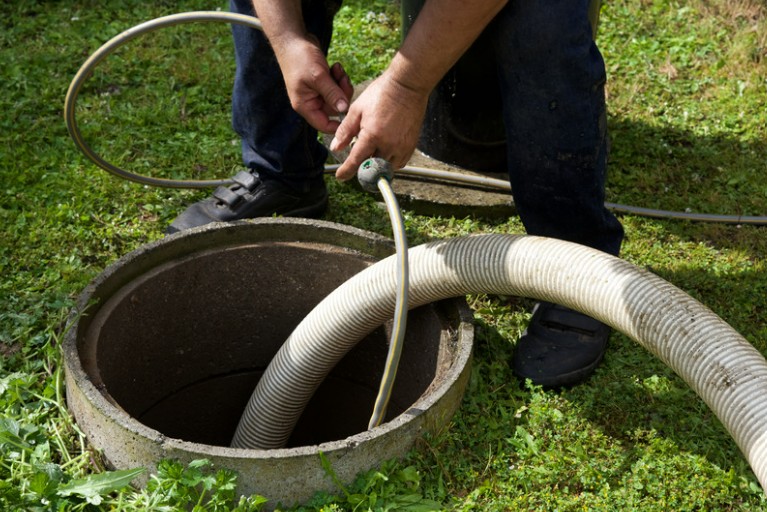
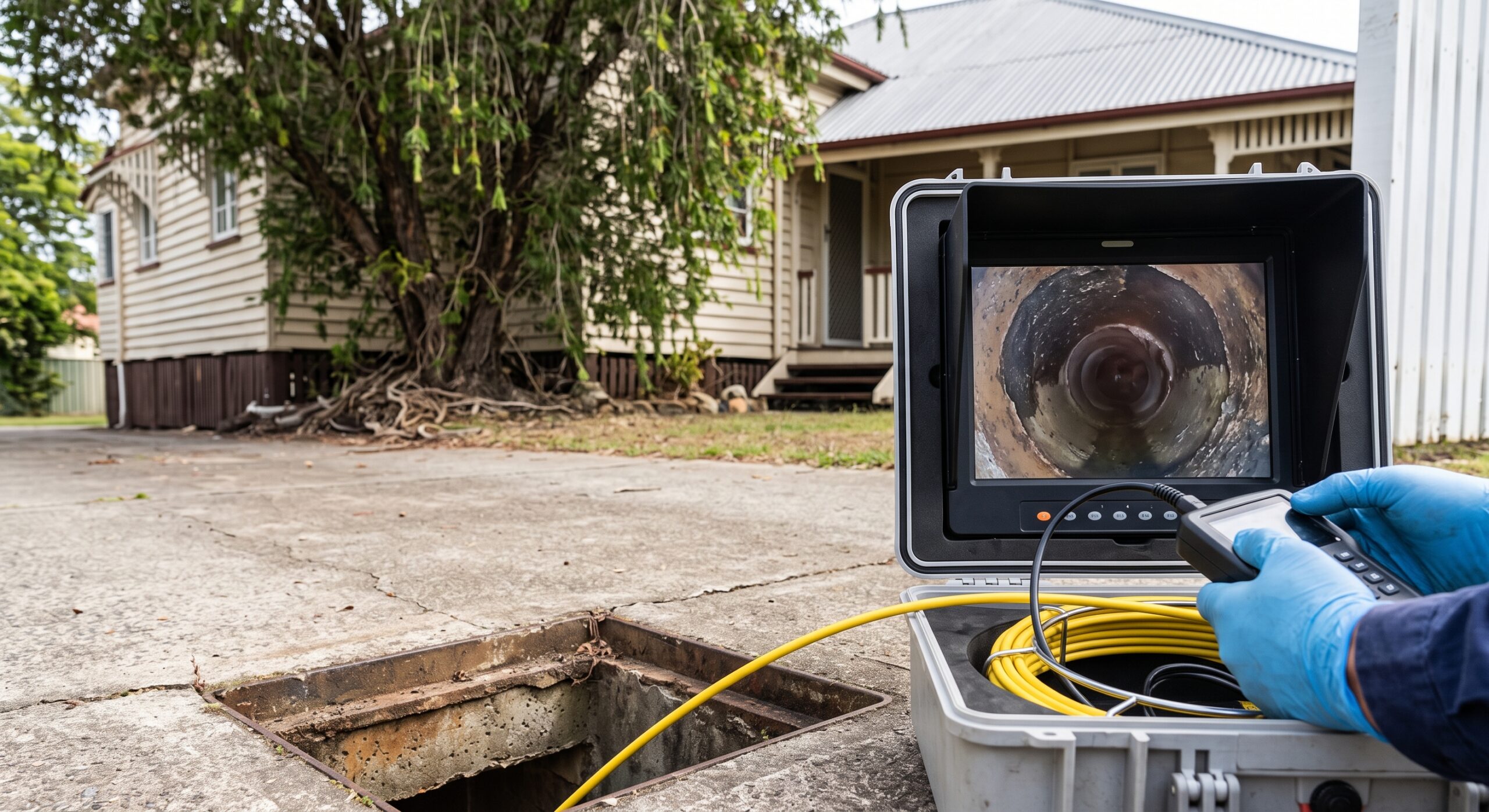
A CCTV pipe inspection can identify exactly what’s going on inside your pipes without any guesswork or unnecessary digging, showing you whether it’s a simple clear-out or something that needs more attention. From there, a proper drain clearing can resolve the issue before it has a chance to progress to the stages above.
Don’t Wait for It to Get Worse
A blocked drain that’s caught early is a routine job. A blocked drain left for months can lead to problems that are far more disruptive and expensive to put right.
If you’re dealing with a blocked drain or any of the warning signs above, the team at Parker Plumbing can get to the bottom of it quickly. And if things have already taken a turn for the worse, our emergency plumbing team is on call when you need help fast.
Get in touch with our team today, or call us on 07 3177 2019 to book a CCTV inspection or drain clearing.
Dan Parker is the Director of Parker Plumbing and has over 16+ years of experience in the plumbing industry. His commitment to providing exceptional customer service means that he has seen it all – anything to do with residential or commercial plumbing, he knows what to do. Passionate about helping people in his community, Dan strives to offer honest and reliable plumbing services in the Brisbane and Ipswich areas.