Septic Tank Maintenance: What Ipswich Homeowners Need to Know
Most Ipswich and Brisbane homeowners don’t think about their septic system until something goes wrong. By then, you’re looking at repair bills that can skyrocket, with full system replacement costing up to $25,000 or more, depending on tank size and site conditions. Routine servicing costs a fraction of that, but plenty of homeowners we work with are unsure what maintenance their system actually needs.
This guide covers the tasks you can handle yourself, from inspecting septic tank components to monitoring your drainfield, as well as when to call in a licensed professional and the warning signs that mean your system needs attention right now.
Why Regular Maintenance Saves Money
A properly maintained system can last 20 to 40 years, with some concrete tanks functioning for 50 years or more. But without consistent care, that lifespan drops significantly, forcing you into an early replacement that could have been avoided.
Extends System Lifespan
Routine servicing catches leaks, cracks, and mechanical problems while they’re still manageable. Regular pumping every three to five years removes solid buildup that would otherwise clog pipes and cause backups. Each maintenance visit extends your system’s operational life and helps you get the full use out of it rather than needing to replace it early.
Prevents Emergency Repairs
A $500 pump-out beats a $15,000 system replacement every time. Repairing or replacing a malfunctioning conventional system will cost you dearly, and even emergency call-outs attract higher labour costs and equipment fees. A failed drainfield alone can cost thousands to repair, but consistent tank pumping prevents the buildup that leads to these failures in the first place.
Avoids Environmental Damage
A malfunctioning system releases untreated sewage containing harmful bacteria, viruses, and high levels of nitrogen and phosphorus. These contaminants can seep into groundwater and pollute local waterways. Regular maintenance ensures your system properly filters wastewater and protects both your family’s health and our local environment.
Essential Maintenance Tasks You Can Do Yourself
Between professional servicing appointments, there are a few things you can do yourself to spot problems early and keep your system running smoothly.
Inspect Your Septic Tank Annually
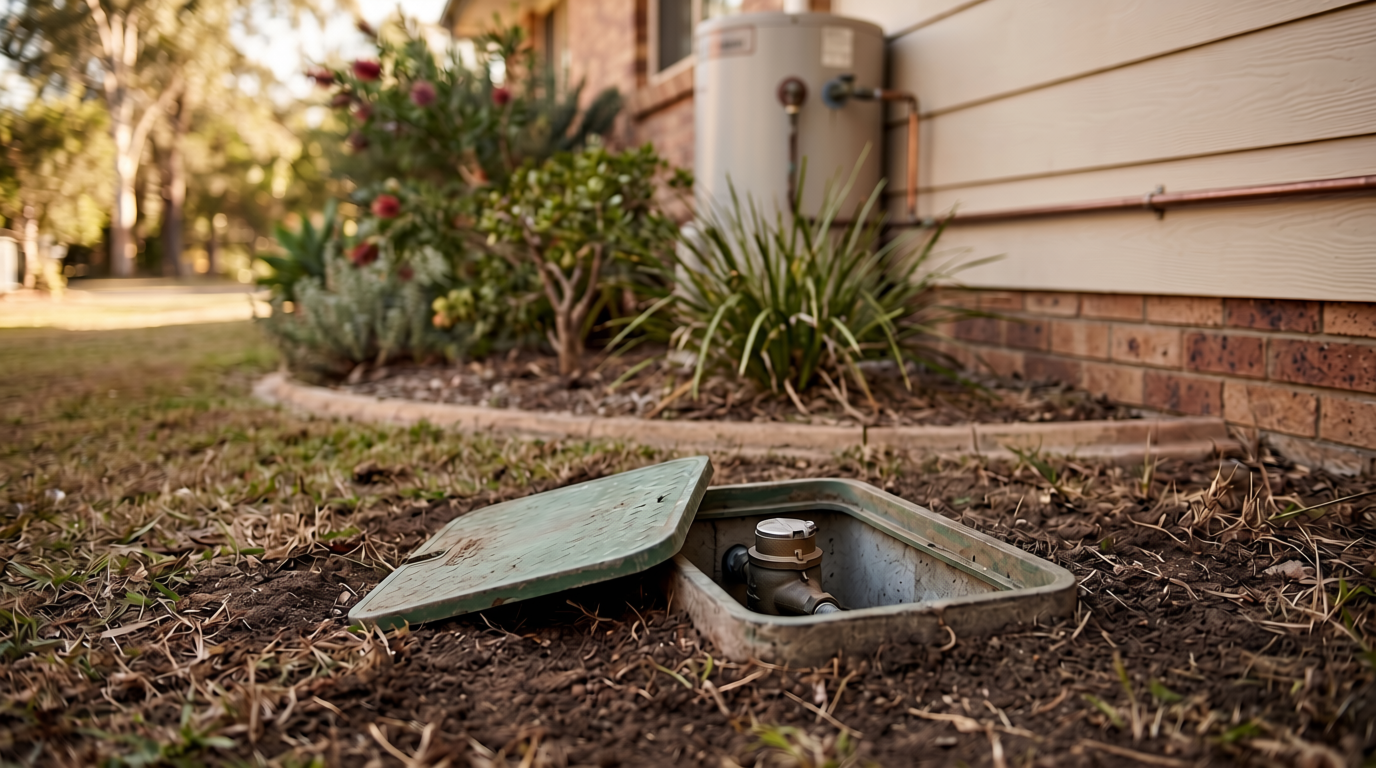
Use a heavy screwdriver to open your inspection cover and stand clear for a moment before looking inside. Check the fluid level near the outlet using a torch if needed. The fluid should sit no higher than the outlet pipe at the tank wall, with only floating scum above this level. If the fluid level has risen significantly or smells foul, book professional servicing. Make this part of your annual routine, along with a full professional inspection every three years.
Monitor Your Water Usage
If your household uses more water than the system can process, solids are pushed into the drainfield, causing clogs. There are some simple things you can do to reduce the strain on your tank. Spread laundry loads throughout the week rather than doing everything in one day. Installing water-efficient fixtures can make a big difference, as well as fixing any leaky taps or running toilets as soon as you can.
Check the Drainfield Area
Walk your drainfield regularly and watch for soggy patches, pooling water, or unusually lush grass growth in strips. These are all signs something is reaching the surface. Never park vehicles or drive over this area, and avoid planting trees or shrubs with invasive root systems nearby, since roots can infiltrate and clog drainage pipes. Keep the area mowed and prevent stormwater from entering the drainfield.
Clean Your Filters Regularly
Effluent filters need to be inspected annually. If the filter is clogged enough to restrict normal flow, rinse it with a hose so the drainage flows back into the tank. Wear protective gloves and goggles when handling filters, and replace the cartridge if it won’t clean properly.
Keep Maintenance Records
Document every inspection, pumping, sludge level measurement, and repair performed on your system. These records help you track system health over time and determine the right pumping frequency for your household.
Warning Signs Your System Needs Attention
Septic problems rarely appear suddenly, but they get worse the longer they’re ignored. Here are some things to look out for.
Slow Drains and Toilets
A single slow drain might just be a localised blockage. But if multiple fixtures throughout your home are draining slowly, your septic system is struggling. You might notice toilets taking longer to flush, water pooling in the shower during use, or gurgling sounds from drains after flushing. These sounds signal pressure buildup in your plumbing lines, usually because the drainfield soil has become saturated and can’t absorb wastewater fast enough.
Foul Odours Around the Property
A functioning system keeps smells contained underground. Persistent sewage or rotten egg odours near your tank, drainfield, or outdoor drains mean untreated wastewater is pooling near the surface, or gases are escaping. Odours coming from your sinks or floor drains suggest venting problems or a leaking tank. These smells typically intensify during warm Queensland summers or after heavy rainfall.
Soggy Ground Near the Drainfield
Standing water or spongy soil over your drainfield during dry weather is a serious warning sign. The drainfield should absorb wastewater underground. When it surfaces and creates wet patches, the system is overloaded or clogged. Unusually lush grass in strips over the drainfield tells the same story: nutrient-rich wastewater is rising too close to the surface rather than being properly filtered through the soil.
Sewage Backup Inside the Home
Wastewater backing up through toilets, sinks, or floor drains is a critical failure that needs immediate professional attention. Stop all water usage and call Parker Plumbing straight away.
When to Call a Professional
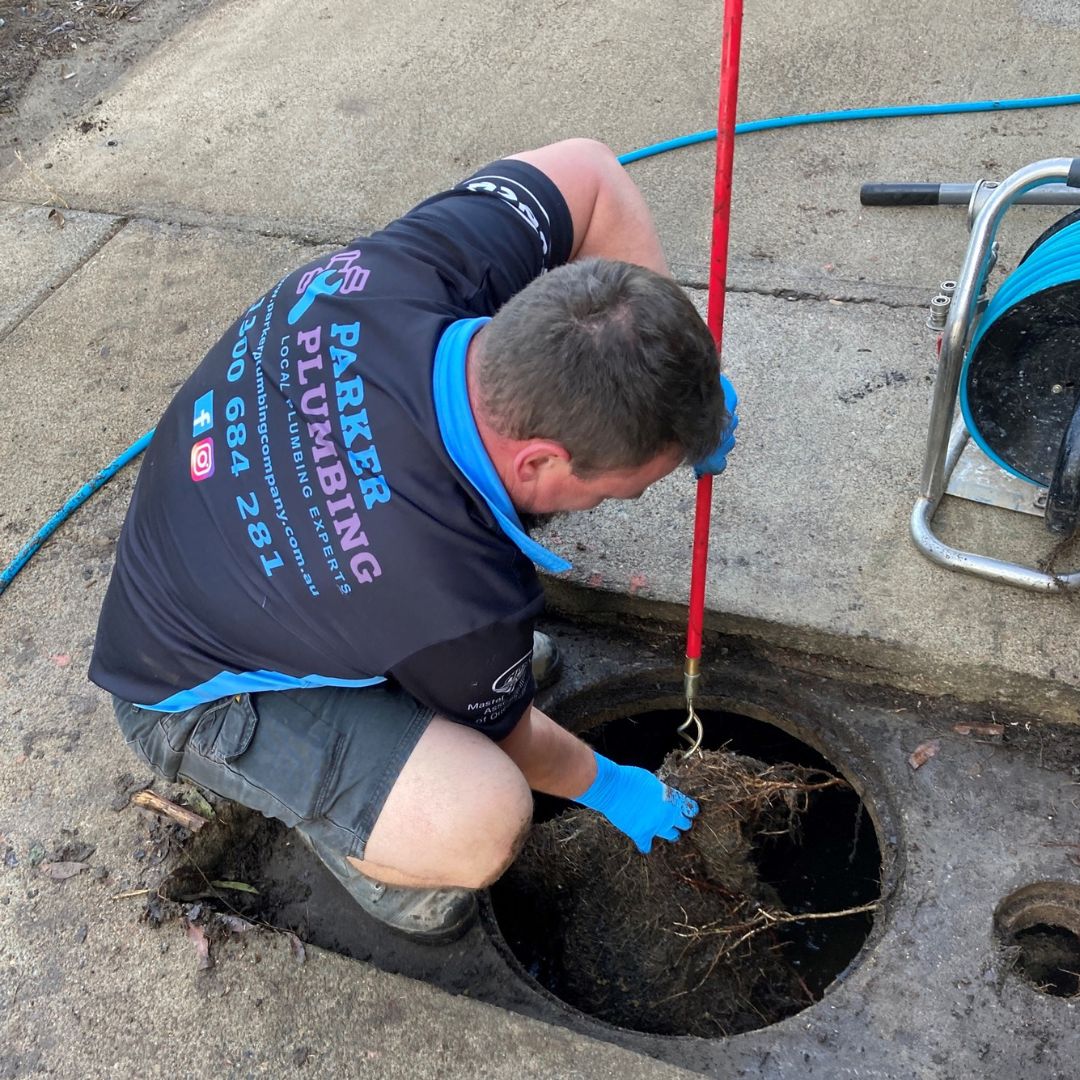
Routine checks are well within any homeowner’s ability, but certain tasks require a licensed technician to ensure your system operates safely and meets Queensland council requirements.
Pumping Every 3–5 Years
Wondering how often you should pump your septic tank? For most households, every three to five years is enough. Larger households may need servicing more frequently, but your technician can advise based on your usage. Pumping removes accumulated sludge before it overflows into the drainfield, preventing blockages that are far more expensive to fix.
Professional Inspections
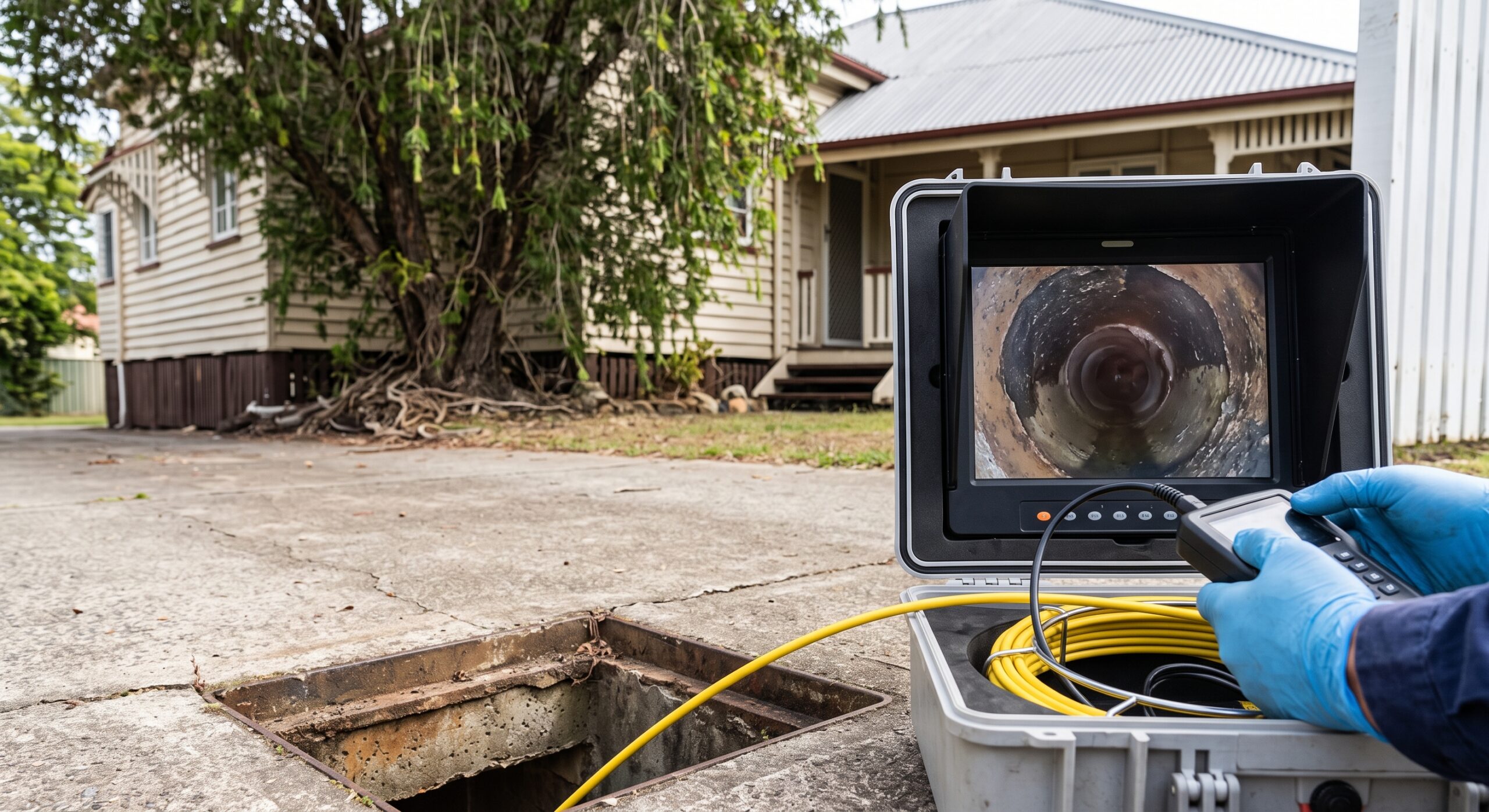
Licensed technicians conduct full inspections that review tank integrity, drainfield condition, and sludge levels. They can spot deteriorating components early and make maintenance recommendations tailored to your household’s usage patterns. In Queensland, local councils may have specific requirements for your system type, and a licensed technician will ensure you’re compliant.
Repairs and Replacements
Professionals handle everything from damaged lids and faulty baffles to cracked tanks. Full system replacement becomes necessary when infrastructure deteriorates or when councils mandate upgrades during renovations.
Emergency Situations
Sewage backup requires immediate professional response. Stop water usage and call Parker Plumbing right away.
Need to Book a Septic Tank Service?
A well-maintained septic system will serve you reliably for decades. Keeping on top of the basics like monitoring the drainfield and cleaning your filters are all things you can do yourself. But your tank still needs professional attention, especially if something doesn’t seem right.
If you’re noticing slow drains or foul odours, don’t wait. Contact our team today. We service Ipswich, Brisbane, and the western suburbs, and we’ll get your system back on track before a small problem becomes an expensive one.

Dan Parker is the Director of Parker Plumbing and has over 16+ years of experience in the plumbing industry. His commitment to providing exceptional customer service means that he has seen it all – anything to do with residential or commercial plumbing, he knows what to do. Passionate about helping people in his community, Dan strives to offer honest and reliable plumbing services in the Brisbane and Ipswich areas.