Burst Pipe? Here’s Exactly What to Do Before the Plumber Arrives
Water is pouring somewhere it shouldn’t be. Maybe it’s coming through the ceiling, running down a wall, pooling under the house, or flooding the laundry. Whatever it looks like, a burst pipe is one of those situations where the next ten minutes matter. The damage water does often comes down to how long it runs before you stop it.
This guide tells you exactly what to do, in order, right now.
Do These Things First, In This Order
Step 1: Turn Off Your Mains Water Supply
Find the tap at your water meter and turn it off immediately.
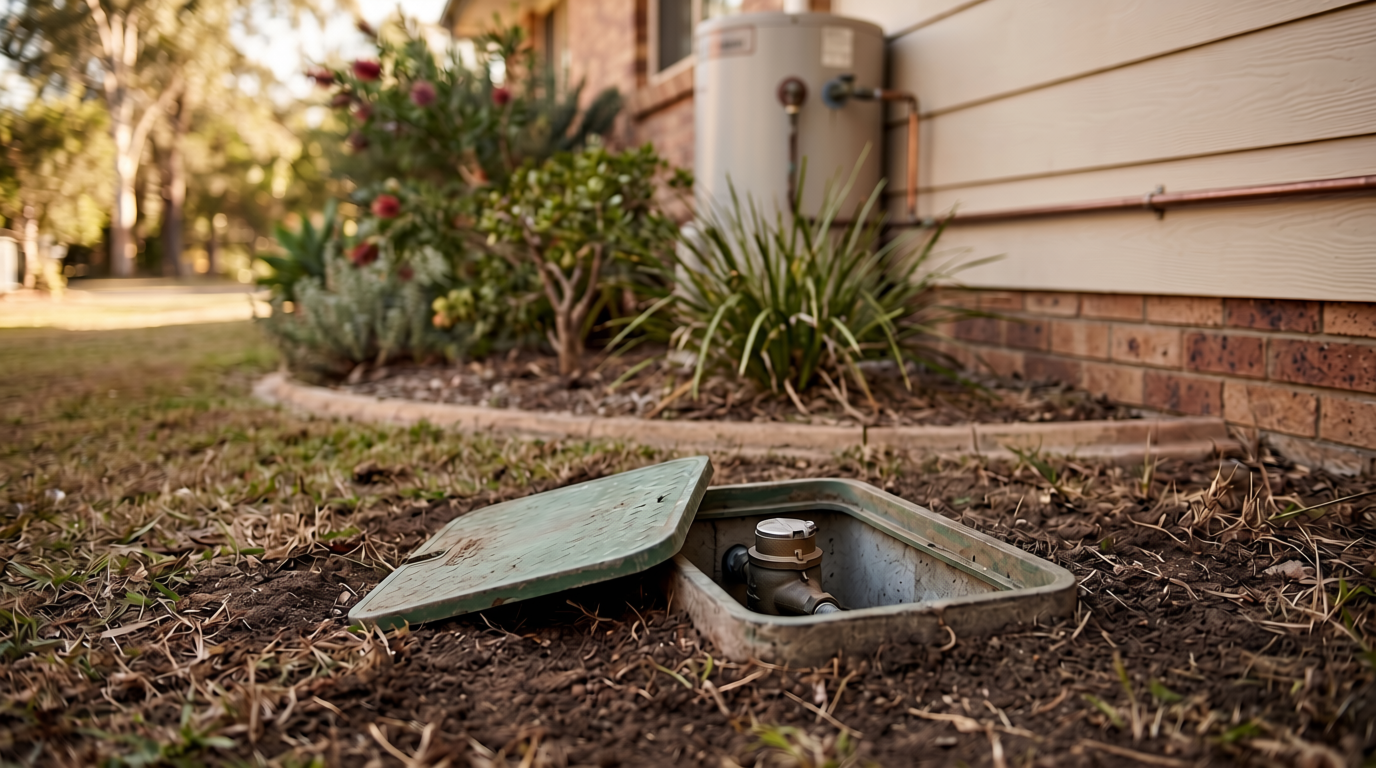
In most Ipswich homes, the mains tap is located at the water meter near the front of the property, usually close to the street boundary. It may be in a small box set into the ground, or mounted on an external wall near where the supply line enters the house. Turn it clockwise until it stops. If it won’t budge or you can’t find it, call us on 07 3177 2019, and we can talk you through it.
Once the mains is off, water will stop flowing to the burst. The immediate crisis is contained.
Step 2: Turn Off Your Hot Water System
Even with the mains off, a storage hot water system holds a full tank of pressurised water, anywhere from 50 to 400 litres depending on your system. If the burst is anywhere near the hot water supply lines, that tank will keep draining through the break unless you isolate it.
Find the isolation valve on the cold water inlet pipe going into your hot water system and turn it off. On electric systems, also switch the unit off at the breaker. A heating element running dry will burn out quickly and turn a pipe repair into a hot water replacement. On gas systems, turn off the gas at the unit.
If you’re not sure where any of these are, call us. Don’t guess with gas.
Step 3: Open Your Taps to Drain the Remaining Pressure
After the mains is off, there’s still water sitting in all the pipes between the stopcock and your taps. Opening taps around the house lets that water drain out safely, reduces the pressure remaining in the system, and slows or stops water continuing to escape through the burst.
Open cold taps first, starting with the lowest point in the house like outside taps, laundry taps, or ground-floor fixtures. Then work upward. Don’t open hot taps yet if your hot water system is still warm, as the pressure relief valve may release.
This step takes two minutes, but it can make a big difference in how much water ends up where it shouldn’t.
Step 4: Deal With the Water That’s Already Escaped
While you wait for the plumber, do what you can to limit damage from water that’s already out. Towels, buckets, and mops won’t completely fix the problem, but they’ll slow damage to the affected areas.
If water is pooling near power points, switches, or any electrical appliances, don’t touch those areas. Turn off power at the switchboard to any circuits covering the affected zone. You don’t want to mess around when it comes to water and electricity.
Move anything valuable out of the water’s path if you can do so safely. Wet carpet, swollen floorboards, and water-damaged cabinetry all become significantly worse the longer water sits.
Step 5: Find the Source If You Can, But Don’t Chase It
Some burst pipes are obvious: a visible split in exposed pipework, a spraying joint under a sink, a wet patch on the ceiling directly below a bathroom. Others aren’t, like pipes underground or inside walls.
Note what you can see and tell your plumber when you call:
- Where the water appeared
- Whether it’s hot or cold
- Whether pressure dropped suddenly or gradually
- Whether any work has been done recently that involved the pipes
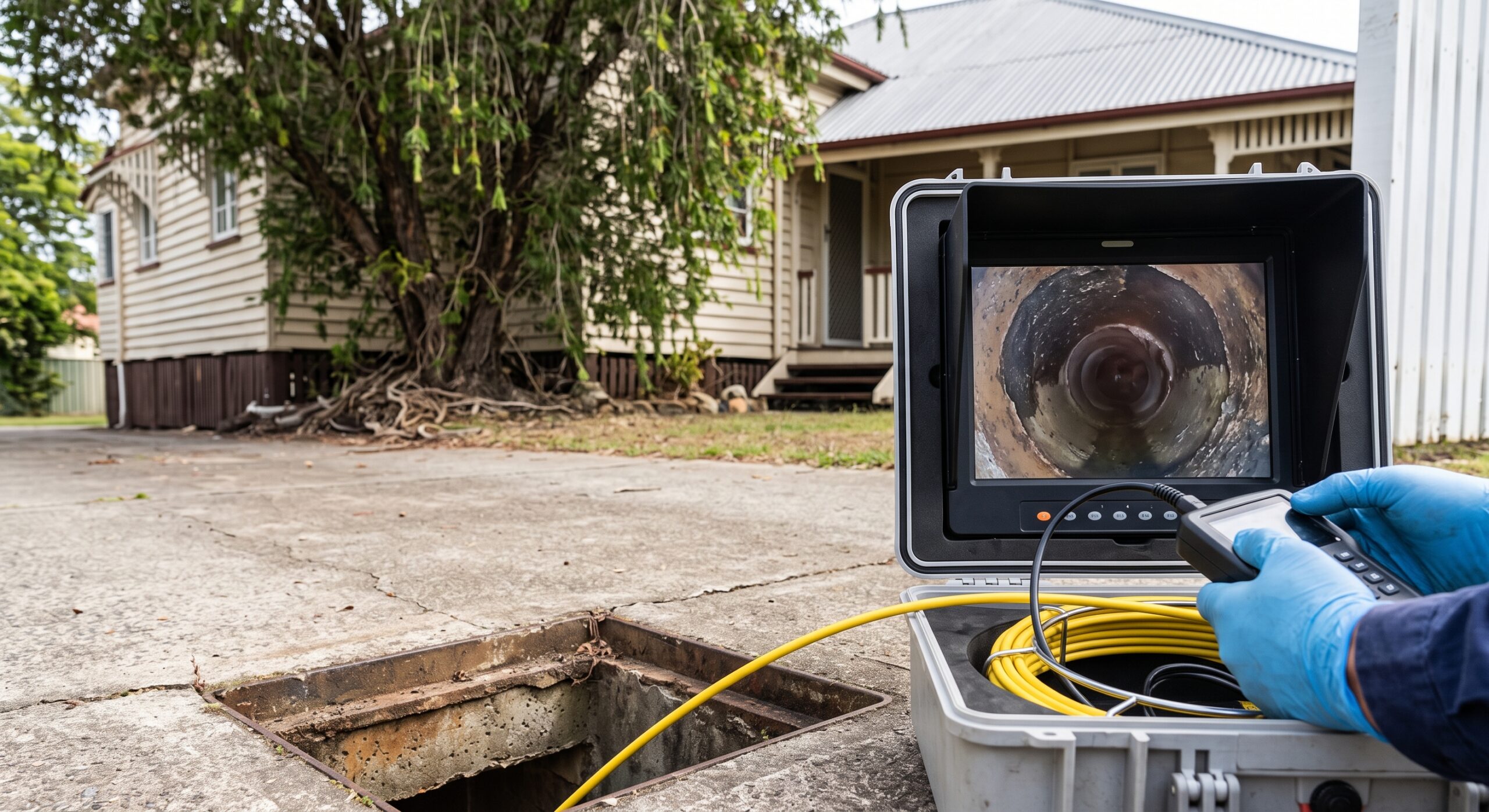
That information helps us get to the right diagnosis faster. Our burst and leaking pipe repairs cover everything from visible splits in accessible pipework through to underground breaks. And for anything hidden inside walls or under slabs, we use specialist leak detection equipment that locates the source without unnecessary demolition.
Don’t pull apart walls or start digging up your yard trying to find it yourself. You’re unlikely to find it faster than we will, and you may make the repair more complicated.
Step 6: Call Parker Plumbing
By this point, the mains is off, the hot water system is isolated, the remaining pressure has drained, you’ve dealt with immediate water damage, and you know roughly what you’re looking at. Now call us on 07 3177 2019.
Our emergency plumbing service covers Ipswich and Brisbane’s western suburbs. Tell us what you’ve done from the steps above, describe what you can see, and we’ll get someone to you as fast as possible.
What Not to Do
A few things that seem helpful but make the situation worse:
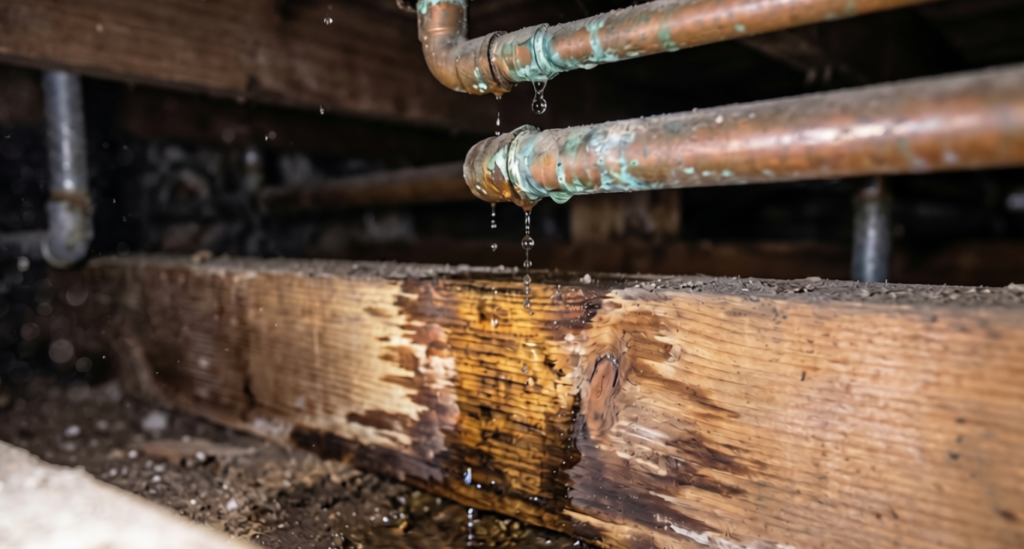
- Don’t try to patch the pipe yourself. Tape, putty, and hose clamps are temporary at best and can mask the real extent of the damage. A pipe that’s burst in one place has usually been under stress for a while, and a patch job may fail again quickly or hide a second failure point nearby.
- Don’t turn the mains back on to check the repair. Once the mains is off, leave it off until a licensed plumber has assessed and repaired the break. Turning water back on before the pipe is properly fixed just pushes more water through the problem.
- Don’t ignore it and wait until morning. Water damage compounds by the hour. Wet insulation, swollen structural timber, and mould growth all start faster than most people expect. If it’s after hours, call anyway. That’s what emergency plumbing exists for.
What Causes Pipes to Burst?
Once the emergency is managed, it’s worth understanding why it happened, particularly if your home is older or you’ve had issues before.
Corrosion in older pipes
Many Ipswich homes still have older steel or copper pipework that degrades over decades. Once corrosion compromises the pipe wall, it doesn’t take much pressure to cause a failure.
High water pressure
Mains pressure that’s consistently too high puts ongoing stress on joints and fittings. A pressure limiting valve that’s failed or was never installed properly is often the underlying cause of repeated burst events. If you’ve had more than one burst in recent years, this is worth investigating.
Tree root intrusion
Roots from established trees follow moisture toward underground supply lines and can crack or crush pipes over time. This type of burst tends to be underground and harder to detect.
Sudden pressure changes
Water hammer (the banging sound when taps are closed sharply) creates repeated pressure spikes that weaken joints over time. If your pipes knock and bang regularly, it’s worth getting it looked at before a burst results.
The Short Version
Turn off the mains. Isolate the hot water. Open taps to drain pressure. Deal with pooled water safely. Note what you can see. Then call Parker Plumbing on 07 3177 2019.
Every minute counts with a burst pipe, but if you’ve followed these steps, you’ve already done the most important things. We’ll handle the rest.
Frequently Asked Questions
Can I stay in the house while the pipe is off?
Yes, in most cases. With the mains off, the immediate hazard is contained. The main exception is if water has reached electrical circuits or appliances. In that case, switch off affected circuits at the breaker and call an electrician if needed alongside your plumber.
How long will the repair take?
That depends entirely on where the burst is and what caused it. An accessible pipe joint can be repaired in under an hour. An underground break or a pipe behind a wall takes longer, but we’ll give you a clear picture of what’s involved before we start.
Will my home insurance cover a burst pipe?
Most home and contents policies cover sudden and accidental water damage from burst pipes, but not gradual leaks or damage from poor maintenance. Document everything and contact your insurer as soon as the immediate situation is under control.
Dan Parker is the Director of Parker Plumbing and has over 16+ years of experience in the plumbing industry. His commitment to providing exceptional customer service means that he has seen it all – anything to do with residential or commercial plumbing, he knows what to do. Passionate about helping people in his community, Dan strives to offer honest and reliable plumbing services in the Brisbane and Ipswich areas.